Smoke damage restoration covers more than a bad smell
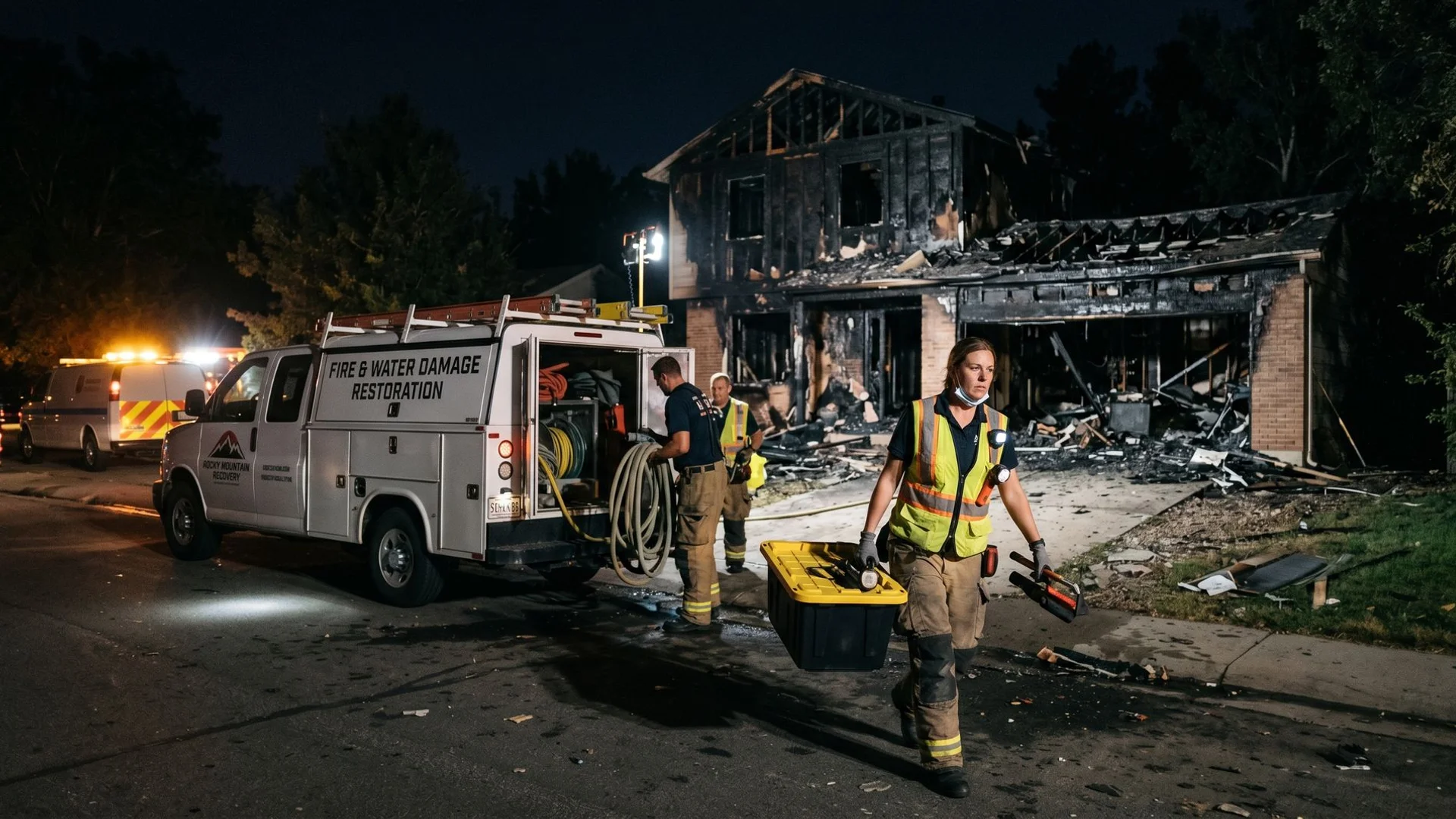
Smoke damage restoration is the full repair of a property after smoke reaches framing, drywall, insulation, ductwork, and belongings. It is not just soot removal or odor treatment. In Boulder, this level of damage shows up after house fires, wildfire smoke events, and even small kitchen fires that push smoke deep into wall cavities. Our IICRC FSRT and OCT certified crew has handled fire and smoke recovery across the Front Range for more than 20 years, and every restoration plan starts with a full assessment of how far the smoke actually traveled, not just what you can see on the surface.
What full smoke damage restoration actually requires
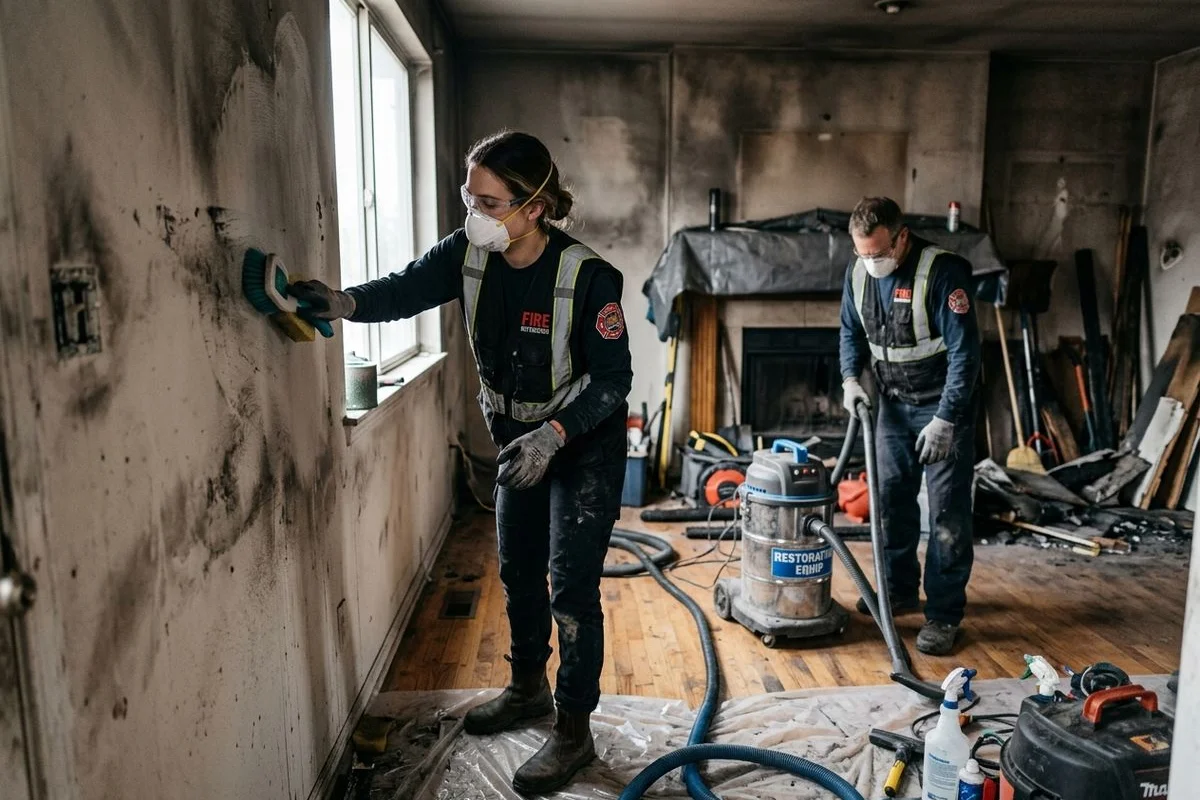
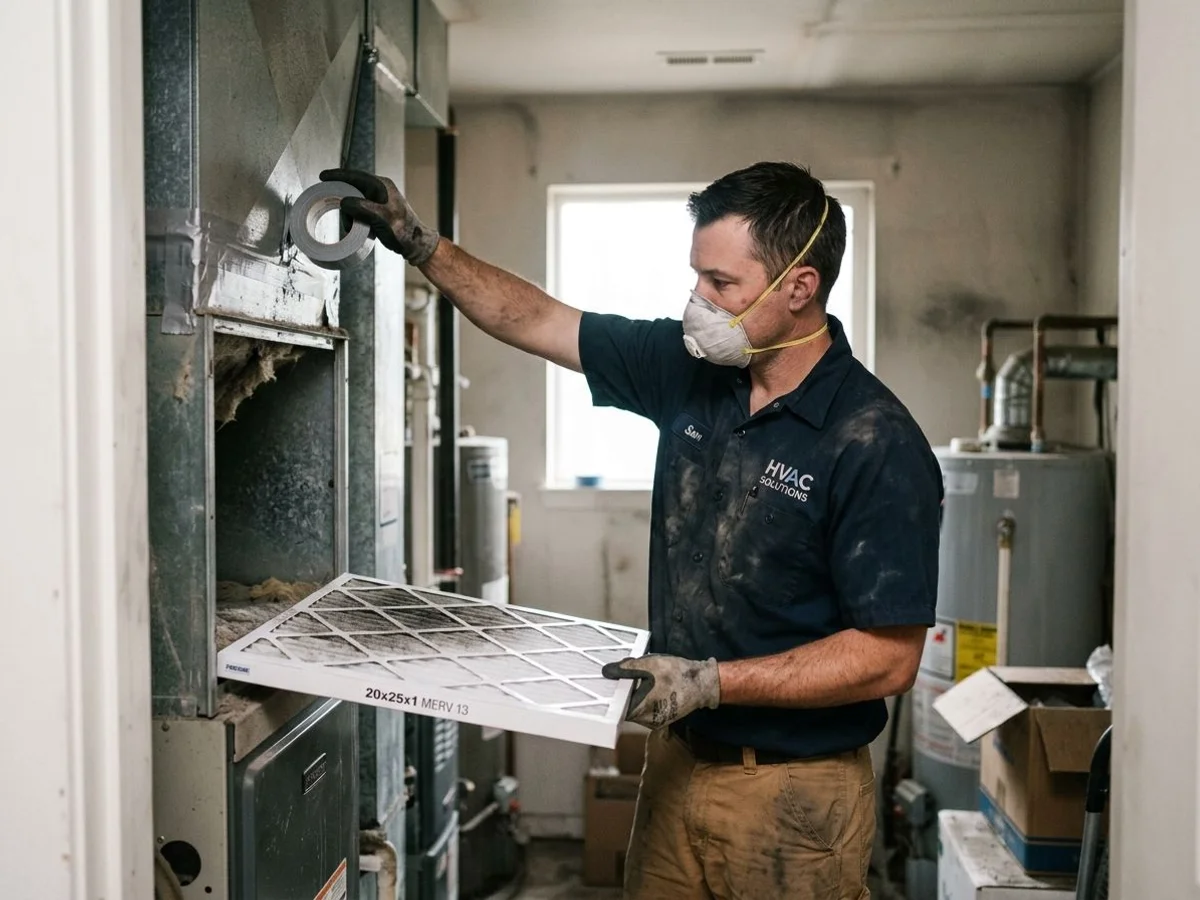
Real restoration treats the whole building as one system, not room by room. Soot comes off every affected surface first. HVAC ductwork gets cleaned or sealed, because a system that keeps recirculating smoke residue will pull the smell right back into a room days after it looked clean. According to the EPA, smoke can re-enter a home through the HVAC intake, small cracks around windows and doors, and normal air exchange long after a fire is out [1]. Framing, insulation, and subfloor that soaked up smoke sometimes need to be cut out and replaced instead of cleaned. If smoke reached carpets, cabinets, or furniture, those items get packed out, cleaned, and stored while the structure is repaired.
One thing we see constantly on Boulder calls: after the Marshall Fire, we handled homes where the damage was pure smoke intrusion through HVAC systems. No flame ever touched the property, but the smoke odor still ran deep into the drywall and ductwork. Full restoration is the only way to actually clear that kind of damage, not a surface wipe-down. For damage severe enough to need framing and drywall replacement, our fire damage reconstruction process guide covers the full rebuild process.
Why DIY and single-service fixes fall short
It is tempting to hire the cheapest crew or handle it yourself once the smoke clears. But a generalist company that only wipes down surfaces will miss what is hiding in the walls. Painting over smoke stains without sealing traps the soot underneath, and the smell often returns within weeks. Running the HVAC to air things out just pushes more soot through the ducts and into rooms the fire never touched. A single missed step, like skipping duct decontamination, can turn a two-week job into a two-month problem once hidden odor resurfaces.
What our restoration guarantee covers
Every restoration project comes with our 100% Smoke Odor Guarantee. If the smell returns within 30 days of completion, we come back and re-treat the property at no charge. So there is no reason to accept a job that only looks finished. The guarantee covers full re-treatment, not just a follow-up inspection, and it applies to every home and business we restore across Boulder County.
Boulder County and Front Range coverage
We dispatch 24/7 across Boulder, Longmont, Lafayette, Louisville, Erie, Superior, Broomfield, and the rest of Boulder County. The Marshall Fire left thousands of standing homes across this area with hidden smoke damage that only showed up weeks later. If you are not sure whether your damage needs a quick cleanup or a full restoration job, our guides on why smoke odors persist and whether smoke smell can be fully removed break down when a surface treatment is enough and when full restoration is the only real fix.
[1] U.S. EPA, "Wildfires and Indoor Air Quality (IAQ)," epa.gov